Requirements for Appraisal Photography
General Rules
In order to proceed with an appraisal or an appraisal preview, you need to supply us with high-quality digital photos of the subject object. JPEG format is ideal, using a high resolution (dpi 200 or greater). If the files are small, you can send them as e-mail attachments. If they are large, please send them in batches via e-mail attachments (three files per e-mail) or, better yet, burn a CD and mail it to our office in New Jersey.
Angle. All photos should be taken facing the art object directly. In other words, the camera back should be perfectly parallel to the object surface for good result.
Composing the frame. Take each photo standing as close to the object as is feasible for the shot. Composing each shot with the object filling the camera frame as fully as possible.
Lighting. There must be enough light to allow your camera to capture a crisp image. Indirect natural lighting (i.e. diffused sunlight) works best. A tripod helps immensely, if you have one. If you have to use flash, try to avoid reflection.
Paintings behind Glass. Paintings behind glass, even the non-reflective type, do not photograph well. If possible, try to remove the painting from behind the glass. If that is not easily done (and in most cases I would NOT recommend it, since it might damage a painting when un-mounting it). Sometimes, taking the photos from the side angles may make the shooting slightly easier if you are patient. Avoiding light on the glass surface or using indirect lighting— either indirect sunlight or a lamp held at an angle above the painting might do the trick.
Photo Requirements for Decorative Artwork
1. Full View: 2 photos of property's entirety (front and back). Be sure to include the top and the bottom.
2. Close-ups: important details, such as decorative motif, signature, reign mark, seal, and writing or mark.
3. Condition Report: Close-ups of damage or repair on the body.
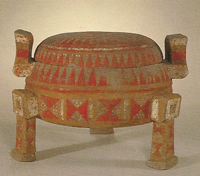
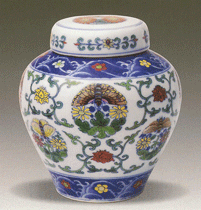
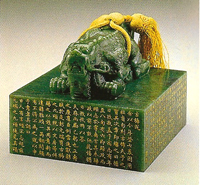
(Sample Photos for Decorative Artwork)
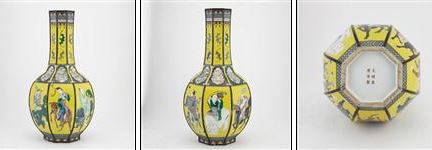
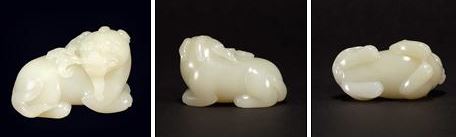
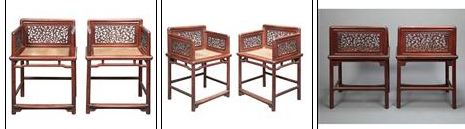
Photo Requirements for Painting and Calligraphy
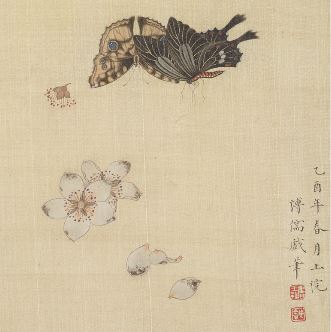
1. Full View: One photo showing its entire framing or mounting, including the top and the bottom.
2. Full View of the Picture: One photo showing the central picture, EXCLUDING frame & mounting.
3. Close-Ups: Photos of important details (title, inscription, signature, name seals, label and mark).
4. Condition Report: Close-ups of visible damage & condition issues (stains, cracks, or mildew, etc).
(Sample Photos for Painting & Calligraphy)
///////

We Consult & Appraise Asian Art
 ///
///  ///
///
////////